
Dehydrated garlic deserves a permanent spot among your pantry essentials. This humble ingredient offers remarkable advantages that transform everyday cooking—from its impressive shelf life that outlasts fresh cloves by months to the sheer convenience of skipping the peeling and chopping routine. Whether you’re a busy professional racing against dinner time or a home cook building a well-stocked kitchen, cooking with dehydrated garlic opens up possibilities you might not have considered.
Dehydrated garlic deserves a permanent spot among your pantry essentials. This humble ingredient offers remarkable advantages that transform everyday cooking—from its impressive shelf life that outlasts fresh cloves by months to the sheer convenience of skipping the peeling and chopping routine. Whether you’re a busy professional racing against dinner time or a home cook building a well-stocked kitchen, cooking with dehydrated garlic opens up possibilities you might not have considered.
What is Dehydrated Garlic?
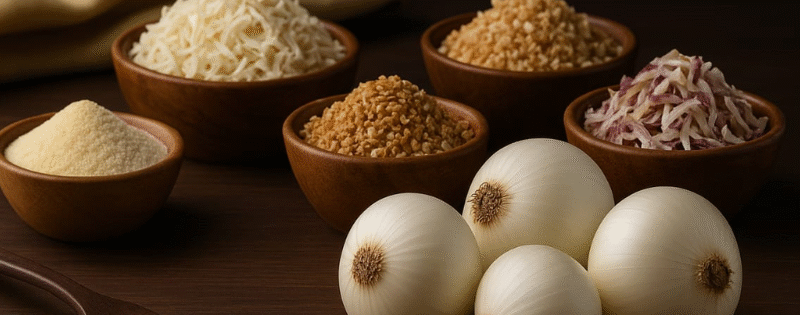
Dehydrated garlic is made by removing moisture from fresh garlic cloves using controlled heat, usually between 130-150°F. This method allows garlic to be stored for a longer time, from weeks to years, while intensifying its natural flavors. There are several types of dehydrated garlic available in the market, each suitable for different cooking purposes:
• Dehydrated garlic powder – The finest grind, resembling a silky flour-like consistency, perfect for seamless integration into liquids and dry mixes
• Dehydrated garlic flakes – Larger, irregular pieces that provide visible texture and gradual flavor release during cooking
• Dehydrated garlic minced – Small, uniform granules that closely mimic the appearance of freshly minced cloves
• Dehydrated garlic chopped – Coarser cuts offering substantial texture and pronounced garlic presence in dishes
The flavor of fresh garlic is sharp and strong, with oils that evaporate quickly when cooked. On the other hand, dehydrated garlic has a milder and sweeter taste with a depth that gradually becomes more intense. The dehydration process removes about 90% of the water content, making it less likely to spoil due to bacteria or enzymes. While fresh garlic goes bad and sprouts within weeks, properly stored dehydrated garlic can stay effective for 2-3 years in airtight containers away from heat and light.
Benefits of Using Dehydrated Garlic in Cooking
The benefits of dehydrated garlic extend far beyond simple convenience, making it a smart addition to any kitchen arsenal.
When properly stored in an airtight container away from moisture and light, dehydrated garlic boasts an impressive shelf life of up to two years—a stark contrast to fresh garlic bulbs that typically last only a few weeks before sprouting or spoiling. This extended longevity means fewer trips to the grocery store and less food waste in your kitchen.
The time-saving aspect alone makes dehydrated garlic invaluable for weeknight cooking. Skip the tedious tasks of peeling papery skins and mincing sticky cloves—simply measure out the amount you need and add it directly to your dish. This streamlined approach proves especially helpful when preparing meals after a long workday or when cooking in bulk.
The nutritional value of dehydrated garlic remains surprisingly robust despite the drying process. Each serving delivers:
• Essential vitamins including vitamin C and B6
• Dietary fiber that supports digestive health
• Beneficial compounds like allicin, known for its antimicrobial properties
• Important minerals such as manganese and selenium
The concentration process actually intensifies certain nutrients per gram, meaning you can achieve significant health benefits with smaller quantities. The dehydration method preserves most of garlic’s natural antioxidants, allowing you to harness its wellness-supporting properties while enjoying the practical advantages of a shelf-stable ingredient.
1. Enhancing Soups and Stews with Dehydrated Garlic
Dehydrated garlic in soups transforms ordinary broths into deeply flavorful bases. Sprinkling garlic powder or flakes directly into simmering liquids allows the concentrated flavors to bloom throughout the dish, creating layers of savory depth that fresh garlic sometimes struggles to achieve in liquid-heavy recipes.
For stew seasoning, the minced or chopped varieties offer distinct advantages. Rehydrating these forms in a small amount of warm water for 5-10 minutes before adding them to your stew restores their plump texture while maintaining their potent aroma. This technique works beautifully in beef bourguignon, chicken stew, or vegetable-based preparations where you want visible garlic pieces that contribute both flavor and visual appeal.
Moreover, when it comes to making quick meals, incorporating dehydrated garlic into instant dry soup mixes can elevate the taste significantly. These ready-to-use mixes only require hot water and a few minutes to prepare, yet adding dehydrated garlic can make them taste homemade.
The rehydrated pieces integrate seamlessly into stews, releasing their essence slowly as the dish simmers, creating a more complex taste profile than adding dehydrated garlic at the last minute. Whether you’re preparing a hearty beef stew or a comforting bowl of pozole rojo as seen in this recipe, dehydrated garlic is an invaluable ingredient that enhances flavor and depth.
2. Flavor Boosting Sauces and Gravies with Dehydrated Garlic
Sauces with dehydrated garlic transform ordinary recipes into restaurant-quality dishes with minimal effort. Powdered dehydrated garlic dissolves seamlessly into marinara, Alfredo, or bechamel sauces, distributing its pungent flavor evenly throughout. A half teaspoon stirred into tomato-based sauces during the simmering stage—like in this homemade tomato sauce—releases aromatic compounds that meld beautifully with herbs and spices.
Gravy seasoning benefits tremendously from minced dehydrated garlic, which rehydrates in the pan drippings while maintaining a slightly granular texture that adds character. Mix it directly into pan juices after deglazing, allowing the moisture to awaken the garlic’s oils. This method works particularly well for mushroom gravies, where the earthy notes complement the garlic’s sharpness, or for poultry gravies that need depth without overpowering the delicate meat flavors.
3. Topping Pizzas and Snacks with Dehydrated Garlic Flakes
Dehydrated garlic flakes topping transforms ordinary pizzas and snacks into flavor-packed creations. Sprinkle these golden flakes directly onto pizza crusts before baking, or add them during the final minutes for a crunchy seasoning that maintains its texture. The flakes deliver concentrated garlic flavor while providing a satisfying bite that fresh garlic simply can’t match.
These versatile flakes can elevate a variety of snacks:
• Popcorn
• Roasted chickpeas
• Homemade trail mixes
Mix them into breadcrumb coatings for mozzarella sticks or sprinkle over flatbreads and focaccia. The flakes’ ability to withstand heat without burning makes them ideal for hightemperature applications, creating crispy, aromatic layers that enhance both savory snacks and
appetizers with minimal effort.
4. Seasoning Rubs for Meats and Vegetables Using Dehydrated Garlic
Dehydrated garlic transforms ordinary meat rubs into flavor powerhouses. The concentrated nature of powdered garlic allows it to penetrate deeply into proteins during the marinating process, creating a robust foundation for grilled steaks, roasted chicken, or barbecued ribs. Crushed flakes work beautifully when you want visible specks of garlic throughout your rub, adding both visual appeal and bursts of intense flavor.
Vegetable seasoning benefits equally from this versatile ingredient. Mix dehydrated garlic powder with paprika, black pepper, and herbs to create a dynamic coating for roasted Brussels sprouts, cauliflower, or root vegetables. The dry texture adheres perfectly to vegetable surfaces, especially when tossed with a light coating of oil. Meat rubs with dehydrated garlic maintain their potency during high-heat cooking methods, unlike fresh garlic which can burn and turn bitter. This stability makes it ideal for achieving that perfect caramelized crust on your proteins while preserving the sweet, pungent garlic essence throughout the cooking process.
5. Using Dehydrated Garlic in Salads and Cheese Spreads
Salad seasoning with dehydrated garlic transforms ordinary greens into restaurant-quality dishes. Whisking garlic powder directly into vinaigrettes creates an evenly distributed flavor that fresh garlic can’t match—no chunks, just smooth garlicky goodness. For creamy dressings like ranch or Caesar, the powder dissolves seamlessly while maintaining its punch.
Cheese spread flavoring reaches new heights when minced dehydrated garlic enters the mix. Cream cheese, ricotta, or goat cheese blends become instant crowd-pleasers with just a teaspoon of rehydrated minced garlic folded through. The rehydration process—simply soaking the
minced pieces in a tablespoon of water for five minutes—softens the texture while preserving that characteristic bite. Garlic powder works beautifully in herb-forward spreads, blending with chives, parsley, or dill for sophisticated appetizers that require zero knife work.
6. Using Dehydrated Garlic as a Pickling Ingredient for Preserves
Pickling with dehydrated garlic offers a game-changing advantage for home preservers: intense flavor without the moisture complications that fresh garlic brings. When you add chopped or minced dehydrated garlic to your pickling brine, it rehydrates gradually while preserving flavors in your cucumbers, onions, or mixed vegetables. The dehydrated form eliminates the risk of introducing bacteria or excess water that could compromise the preservation process.
The concentrated nature of dehydrated garlic means you’ll need less quantity than fresh— typically one teaspoon of minced dehydrated garlic equals three fresh cloves. This makes it perfect for:
• Dill pickle recipes where garlic is a traditional flavor component
• Pickled peppers that benefit from a sharp, pungent kick
• Bread-and-butter pickles requiring balanced seasoning
• Fermented vegetables where moisture control is critical
The garlic pieces soften during the pickling process, becoming tender flavor bombs that complement the tangy brine beautifully.
7. Quick Rehydration Techniques for Stir-Fries and Curries with Dehydrated Garlic
Rehydrating dehydrated garlic transforms it into a texture remarkably close to fresh cloves, making it ideal for stir-fry seasoning and curry preparations. The process takes just 10-15 minutes: place minced or chopped dehydrated garlic in a small bowl with warm water, using a 1:1 ratio of garlic to liquid. The granules will plump up and soften, releasing their aromatic oils.
• Drain the rehydrated garlic
• Add it to your wok during the initial aromatics stage
• Allow it to sizzle alongside ginger and onions
The brief soaking period ensures the garlic won’t burn during high-heat cooking while maintaining its pungent flavor.
You can skip the draining step entirely—simply add the garlic along with its soaking liquid directly to the sauce base, where it will blend seamlessly with coconut milk, tomatoes, or yogurt foundations.
8. Creating Homemade Spice Blends and Seasoning Powders Using Dehydrated Garlic
Spice blends with dehydrated garlic offer endless possibilities for customizing your pantry staples. The powdered form integrates seamlessly into dry mixes, distributing evenly throughout the blend without clumping. Combine it with paprika, black pepper, and sea salt for an allpurpose seasoning powder that works on everything from roasted vegetables to grilled chicken.
Granulated dehydrated garlic adds texture to coarser blends like Italian seasoning or taco mix. The beauty lies in its stability—unlike fresh garlic, it won’t spoil or introduce moisture that causes caking. Store your custom creations in airtight containers, and they’ll maintain their potency for months. Try blending garlic powder with dried herbs, chili flakes, and onion powder to craft signature rubs that reflect your personal taste preferences.
9. Infusing Oils and Butters for Cooking and Finishing with Dehydrated Garlic
Transform ordinary cooking fats into aromatic powerhouses by gently heating dehydrated garlic flakes or minced pieces in oil or butter. The low-moisture content of dehydrated garlic makes it ideal for creating infused oils with dehydrated garlic that remain shelf-stable and intensely flavorful. Simply add a tablespoon of garlic flakes to a cup of olive oil or neutral oil, warm over low heat for 10-15 minutes, then strain.
These flavored butters work beautifully as a base for sautéing vegetables, drizzling over grilled meats, or tossing with pasta. The infusion process extracts concentrated garlic essence without the risk of burning that fresh garlic presents, delivering consistent flavor every time you cook.
10. Using Dehydrated Garlic as a Crunchy Topping on Salads and Soups
Dehydrated garlic flakes add an unexpected crunch to finished dishes when used as a lastminute addition. Sprinkling dry flakes directly onto green salads creates a satisfying crunch that pairs beautifully with creamy dressings, while the concentrated garlic flavor punctuates each
bite. The same technique works brilliantly for cream-based soups, where the flakes stay crispy against the smooth liquid, offering bursts of garlicky intensity.
This crunchy topping with dehydrated flakes approach works particularly well for dishes where you want visible flavor elements. Try topping a Caesar salad, minestrone, or butternut squash soup with a generous pinch just before serving. The flakes won’t wilt or become soggy
immediately, giving diners several minutes to enjoy the textural contrast. For salad toppings, consider mixing the flakes with toasted nuts or seeds to create a more complex garnish that adds both nutrition and visual appeal to your presentation.
Tips for Storing and Using Dehydrated Garlic Effectively in Your Kitchen
Storing dehydrated garlic correctly makes all the difference in preserving its potent flavor and extending its usability. The key to maintaining quality lies in protecting it from three main enemies: moisture, light, and heat.
1. Use Airtight Containers: Transfer your dehydrated garlic into airtight containers— glass jars with tight-sealing lids or vacuum-sealed bags work exceptionally well.
2. Choose a Cool, Dark Place: Keep these containers in a cool, dark pantry away from direct sunlight, which can degrade both flavor and nutritional value.
3. Maintain Room Temperature Storage: When stored properly at room temperature, dehydrated garlic maintains its quality for 2-3 years.
For extended preservation, refrigeration offers an excellent option. Place your airtight containers in the refrigerator to potentially double the shelf life, though this step isn’t necessary for most home cooks who use their supply regularly.
The dehydration process concentrates flavors significantly, making it more potent than fresh garlic. Start with these general guidelines:
• Garlic powder: ¼ teaspoon equals one fresh clove
• Garlic flakes: ½ teaspoon equals one fresh clove
• Minced dehydrated garlic: ½ teaspoon equals one fresh clove
Taste as you go, adjusting quantities based on your preference and the specific dish. Remember, you can always add more, but removing excess garlic flavor proves impossible.
FAQs (Frequently Asked Questions)
Dehydrated garlic is garlic that has been dried from fresh cloves to preserve its flavor and shelf life. It is available in several forms including flakes, powder, minced, and chopped, each offering different textures and uses in cooking.
Dehydrated garlic offers a longer shelf life and greater convenience as it requires no peeling or chopping. It retains essential nutrients like fiber and vitamins, making it a nutritious addition to dishes while simplifying meal preparation.
Adding dehydrated garlic flakes or powder directly to soups deepens their flavor profile. For hearty stews, rehydrating minced or chopped dehydrated garlic adds texture and aroma, enriching the overall taste experience.
Incorporate powdered or minced dehydrated garlic into sauces and gravies for an intense garlicky note without extra prep. Use crushed flakes in seasoning rubs for meats and vegetables to enhance grilled or roasted flavors. Sprinkle flakes as a crunchy topping on pizzas or snack mixes for added zest.
Adding chopped or minced dehydrated garlic during pickling infuses robust flavor without adding moisture. Mixing powdered or granulated dehydrated garlic into custom spice blends creates versatile seasoning powders suitable for various recipes.
Store dehydrated garlic in airtight containers away from sunlight to preserve its flavor and potency. Refrigeration can further extend its shelf life. Using appropriate quantities ensures optimal flavor without overpowering dishes.